
K3: A Viral Cloak of Invisibility
K3 gene allows viruses to evade infection-killing cells
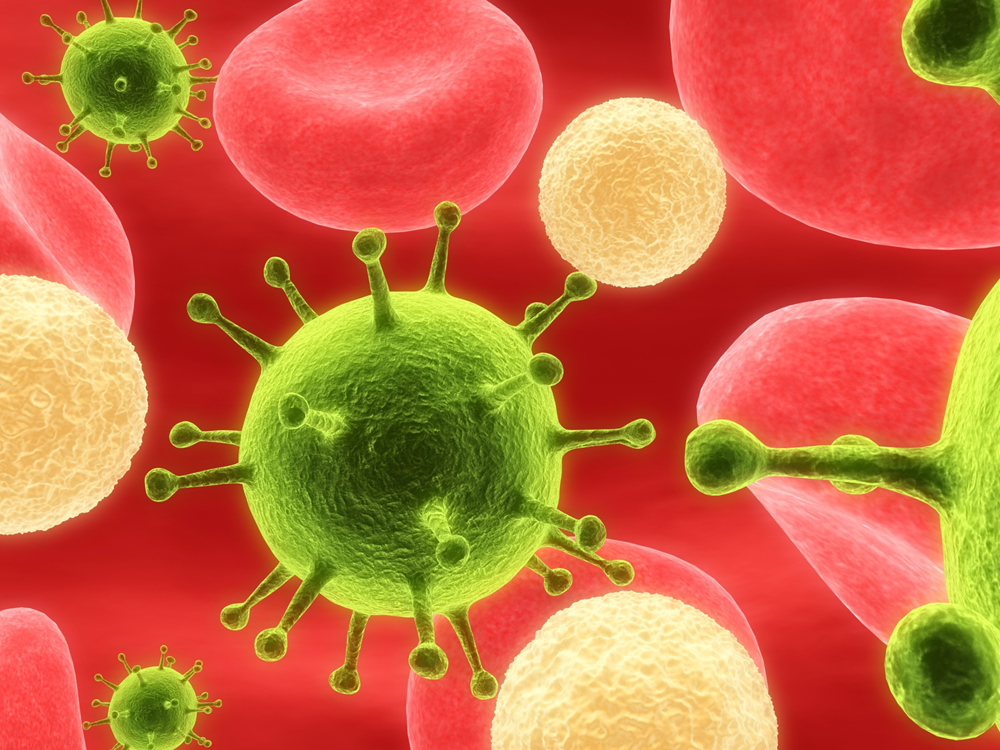
Viruses manage to disable the body's immune response due to a key viral gene that inhibits important signaling cells and allows infections to slip in undetected.
Researchers in Australia have discovered the way viruses manage to avoid early detection by the body's immune system. Of particular interest are the immune system's dendritic cells, which act as watchdogs for the immune system. They play a key role in fighting chronic infection.
Dendritic cells are among the first to trigger immune response; they work by breaking up infectious cells into small pieces that are then attacked by killer T-cells. These T-cells kill tumor cells and those infected with viruses.
By studying a virus in mice that bears similarities to the human gamma herpes virus, Epstein-Barr Virus, a known cause of mono, scientists have identified a viral gene that inhibits the antigen-destroying processes of the dendritic cells that would normally kick-start the immune defense in the body.
The gene K3 essentially turns off the body's immune alarm system and allows the virus to sneak in undetected on the backs of the dendritic cells which lead it through the bloodstream.
The study is important because it shows how early viruses manage to escape detection and the important infection-fighting processes that are impeded by this K3 gene. Protecting the body's antigen-presenting dendritic cells can be a major component in creating more effective immune therapy and vaccines.
All information on this site is provided “as-is” for informational purposes only and is not a substitute for medical advice or treatment. You should consult with a medical professional if you have any questions about your health.
More health news
 Health News
New Biomarker Found for Hepatitis C
Protein may be inhibiting treatments for Hepatitis C
 Health News
Prostate Cancer Goes Viral
Prostate cancer may be associated with HPV and Epstein Barr viruses
 Health News
Cancer Not So Viral After All
Viruses not involved in as many cancers as once thought