
Mapping Key to Arrhythmia Treatment for Kids
Pediatric arrhythmias repaired with assistance of electrical system mapping
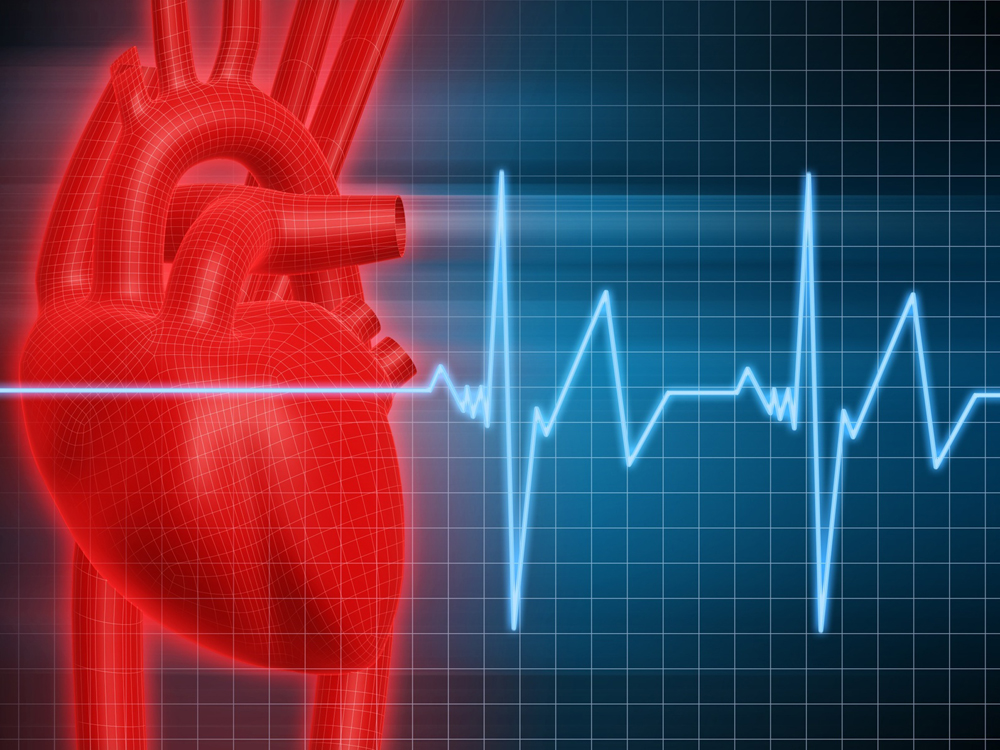
A small study that examined a procedure to produce three-dimensional maps of children's hearts could mark a step forward in repairing heart rhythm disorders in young patients.
The maps of electrical systems could aid children with atrioventricular nodal reentrant tachycardia (AVNRT), which can cause sudden rapid heart rates.
Discuss treatment options with a pediatric cardiologist.
Lindsey Malloy, DO, lead researcher and a cardiology fellow and researcher at University of Iowa Children’s Hospital, noted that the study was the first to examine the technique in children. Dr. Malloy said the technique has potential to improve the success rate of cardiac ablation, a treatment in which abnormal tissue is destroyed by freezing.
Ablation can be difficult for doctors because each patient has a different area of abnormal tissue causing the arrhythmia. The maps can be used as a guide during ablation.
During the study researchers created three-dimensional voltage maps of the heart's upper chamber through electrical recordings from inside the heart. They also identified areas of the heart with reduced electrical activity, producing a map that showed both high and low voltage areas.
The technique was used on 29 patients between the ages of 7 and 20 during guided ablation. Investigators found that in 25 of the participants the maps were adequate to allow guided ablation to be performed.
Of the patients who were successfully treated, in 15 the ablation was successful within the first three lesions that were frozen.
“This use of voltage-guided mapping of this voltage bridge in AVNRT appears to be both safe and very effective in children while providing for more precise electrically guided ablation,” Dr. Malloy said.
The research was recently presented at the American Heart Association’s Basic Cardiovascular Sciences 2012 Scientific Sessions.
All information on this site is provided “as-is” for informational purposes only and is not a substitute for medical advice or treatment. You should consult with a medical professional if you have any questions about your health.
More health news
 Features
Healing Children With Brain Injuries
Brain Injuries and other Neurological Disorders Pose Challenges for Children and Doctors
 Health News
Electrical Weapons Fight Cancer
Irreversible electroporation improved with boron nitride nanotubes
Scientists Extend Map of Fear Memory Formation
Scientists Extend Map of Fear Memory Formation